


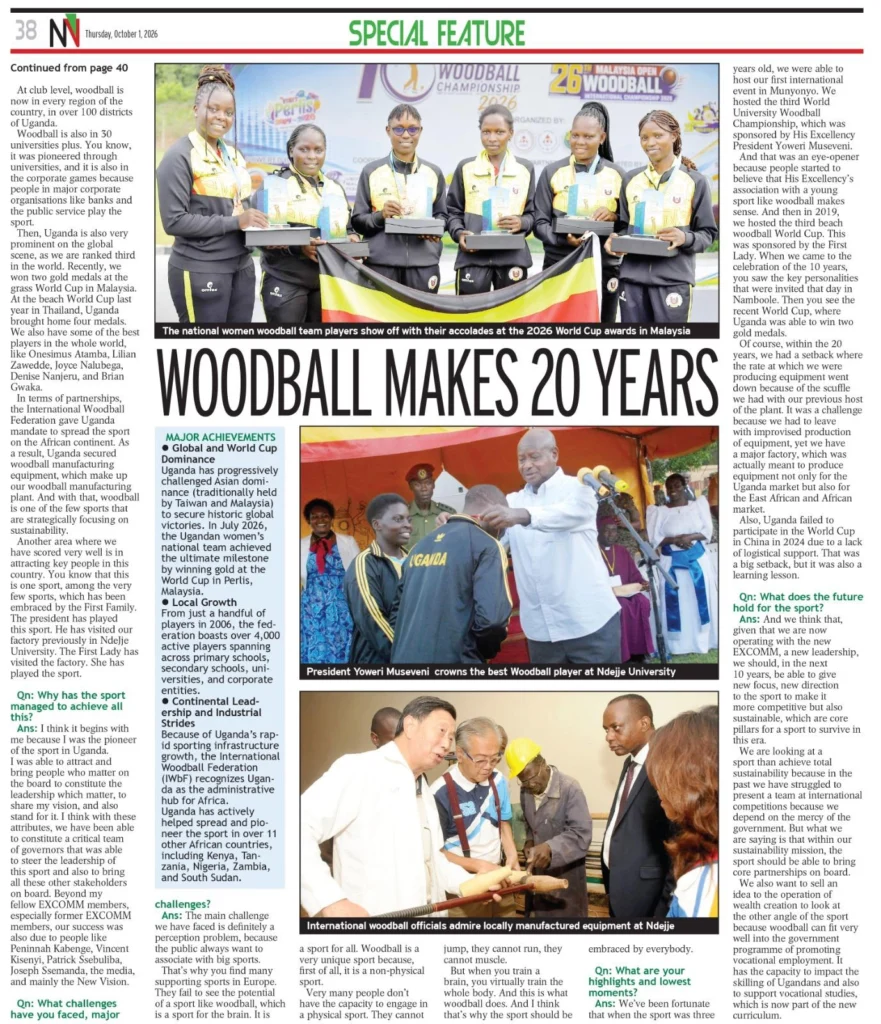
From an accidental introduction at an international university conference to a sport played across Uganda, woodball marks two decades of remarkable progress.
Twenty years ago, a conference in Abu Dhabi set in motion a journey that would transform Uganda’s sporting landscape. What began as an unexpected introduction to a relatively new sport has grown into a national movement, establishing woodball as one of Uganda’s steadily expanding sporting disciplines.
In 2006, Paul Mark Kayongo and Peninnah Kabenge attended a Federation Internationale du Sport Universitaire (FISU) Conference in Abu Dhabi, where they were introduced to woodball. Little did they know that this encounter would mark the beginning of a remarkable chapter in Uganda’s sporting history.
Inspired by the sport, Kayongo brought the game home, laying the foundation for what would become the Uganda Woodball Federation (UWbF).
Twenty years later, the sport has developed far beyond its initial beginnings, reaching educational institutions, universities, corporate organisations and communities across the country.
A Journey of Steady Progress
Reflecting on the journey, UWbF President Paul Mark Kayongo describes woodball’s development as progressive, with consistent growth recorded over the years.
“Woodball has had a very progressive journey. It is one sport that has grown year in, year out, on every front. And in the coming years, we need to consolidate our achievements,” Kayongo noted in an interview with Vision Sports.
The journey began with a small group of enthusiasts who believed in the potential of the sport. Among the early recruits were Grace Nkonge, George Isabirye, Raymond Komakech (late), and Lilian Zawedde, whose contributions formed part of the foundation upon which the sport was built.
From those early beginnings, woodball has steadily attracted more participants, developed its structures and expanded its presence across different parts of Uganda.
Taking Woodball to Every Corner of Uganda
One of the most significant achievements of the past two decades has been the sport’s expansion into educational institutions and communities.
According to Kayongo, woodball is now played in almost every district of Uganda, with participation extending to primary and secondary schools.
This growth reflects the Federation’s deliberate commitment to taking the sport closer to communities, particularly young people, while creating opportunities for talent identification and development.
Through school competitions, junior championships, university events, corporate circuits and national ranking competitions, woodball has established a pathway through which athletes can develop their abilities and progress towards higher levels of competition.
The increasing participation of young athletes is particularly encouraging, as it provides a foundation for the future of the sport and strengthens Uganda’s ability to compete internationally.
Building a Strong Sporting Institution
Beyond the playing field, the growth of woodball has also involved developing the structures necessary to sustain a national sport.
Over the years, the Uganda Woodball Federation has continued to strengthen its governance, technical development, regional representation and competition structures.
The establishment of regional associations and increased institutional participation have further contributed to the Federation’s national footprint.
Woodball has also built an international presence, with Uganda representing the country at several World Cup championships and other international competitions.
These achievements demonstrate that the sport’s development has not been limited to increasing participation but has also focused on creating opportunities for Ugandan athletes to showcase their abilities beyond the country’s borders.
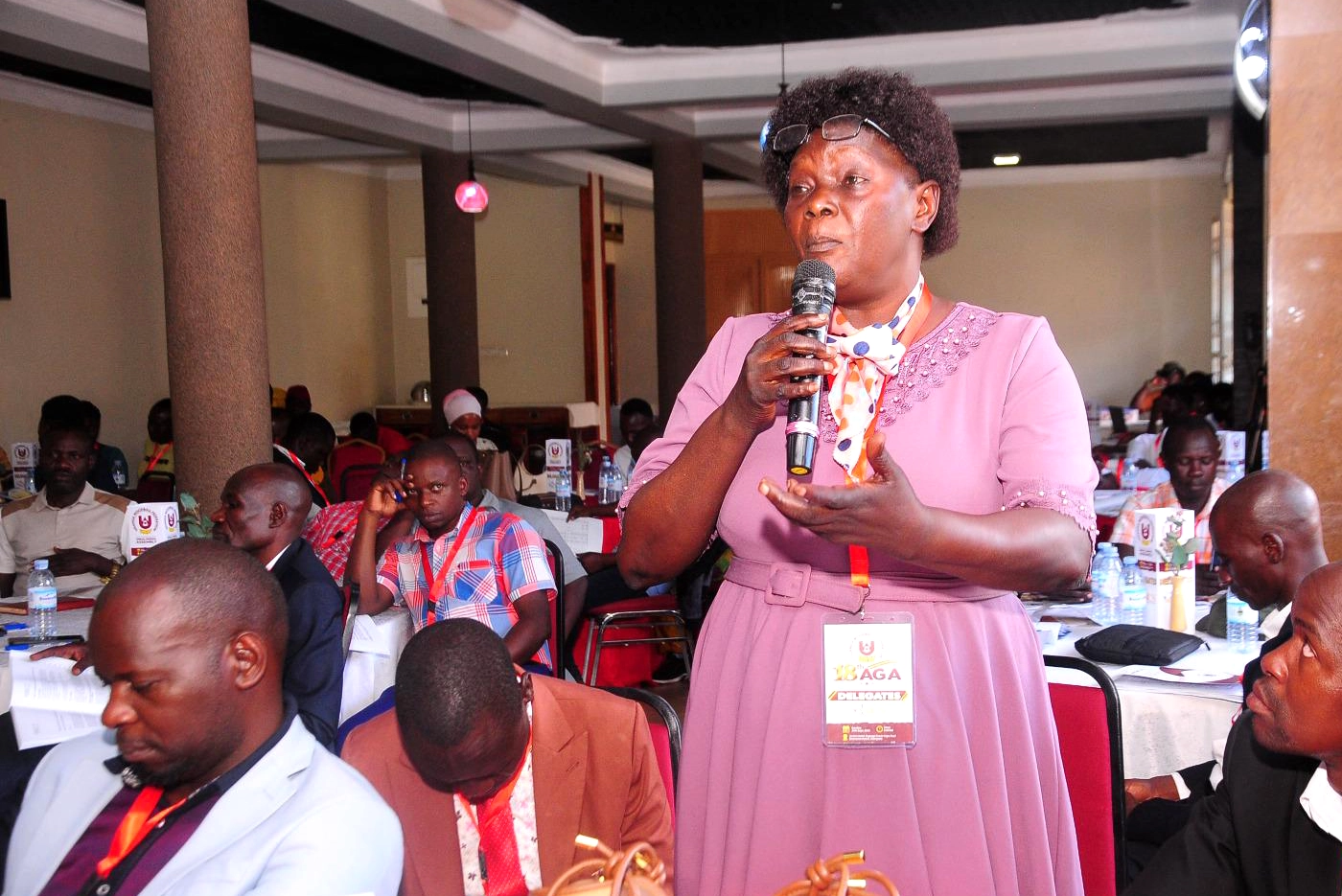
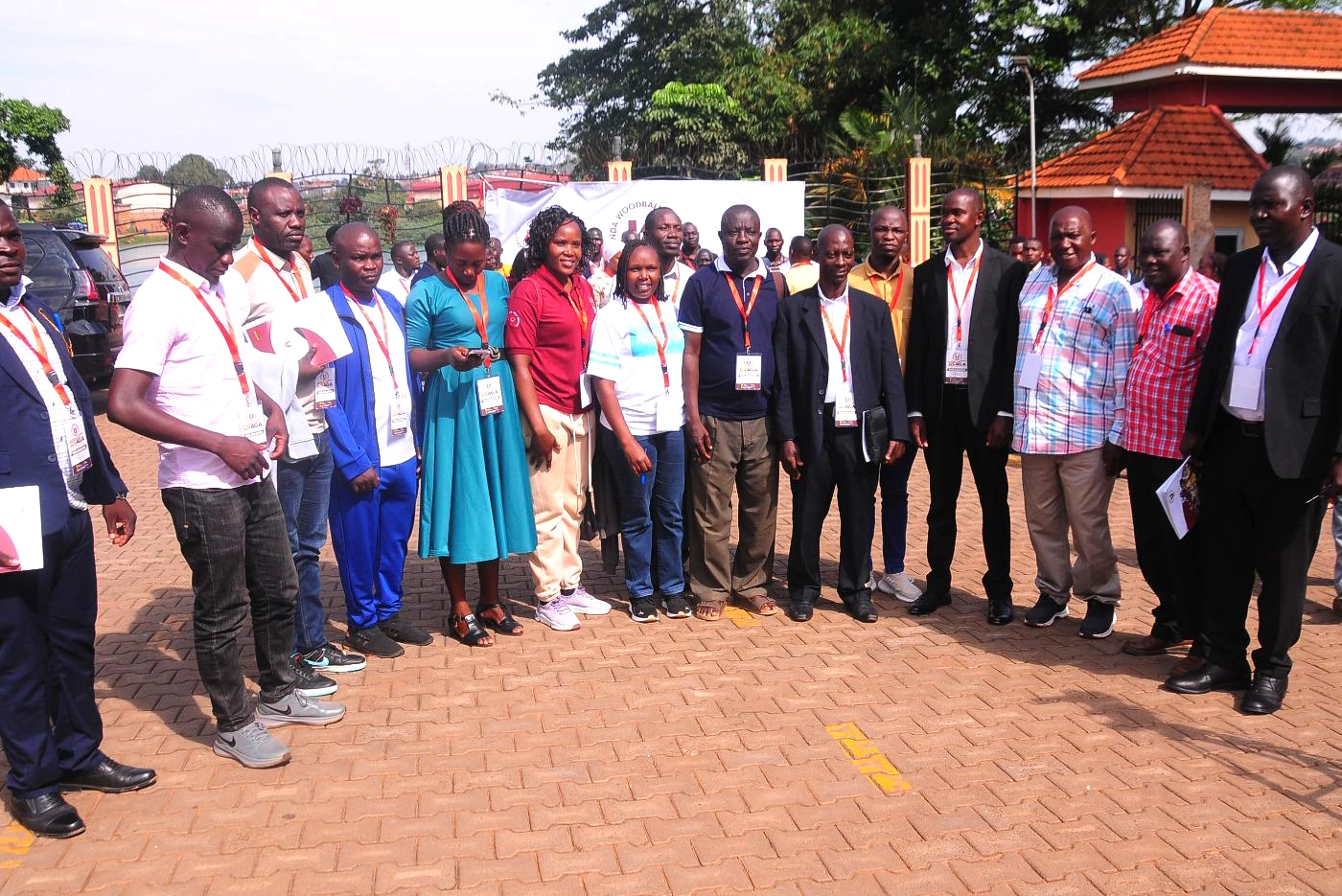
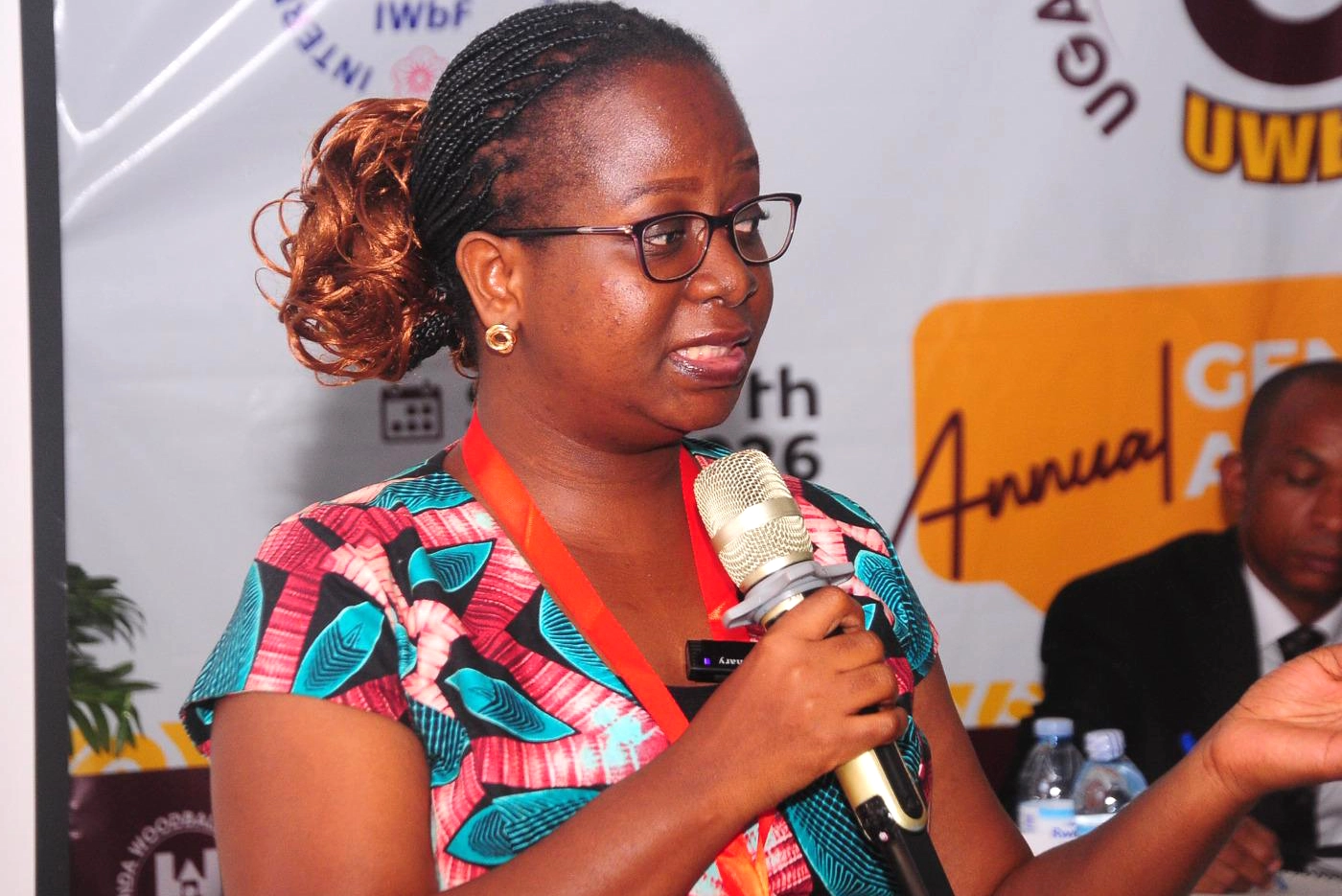
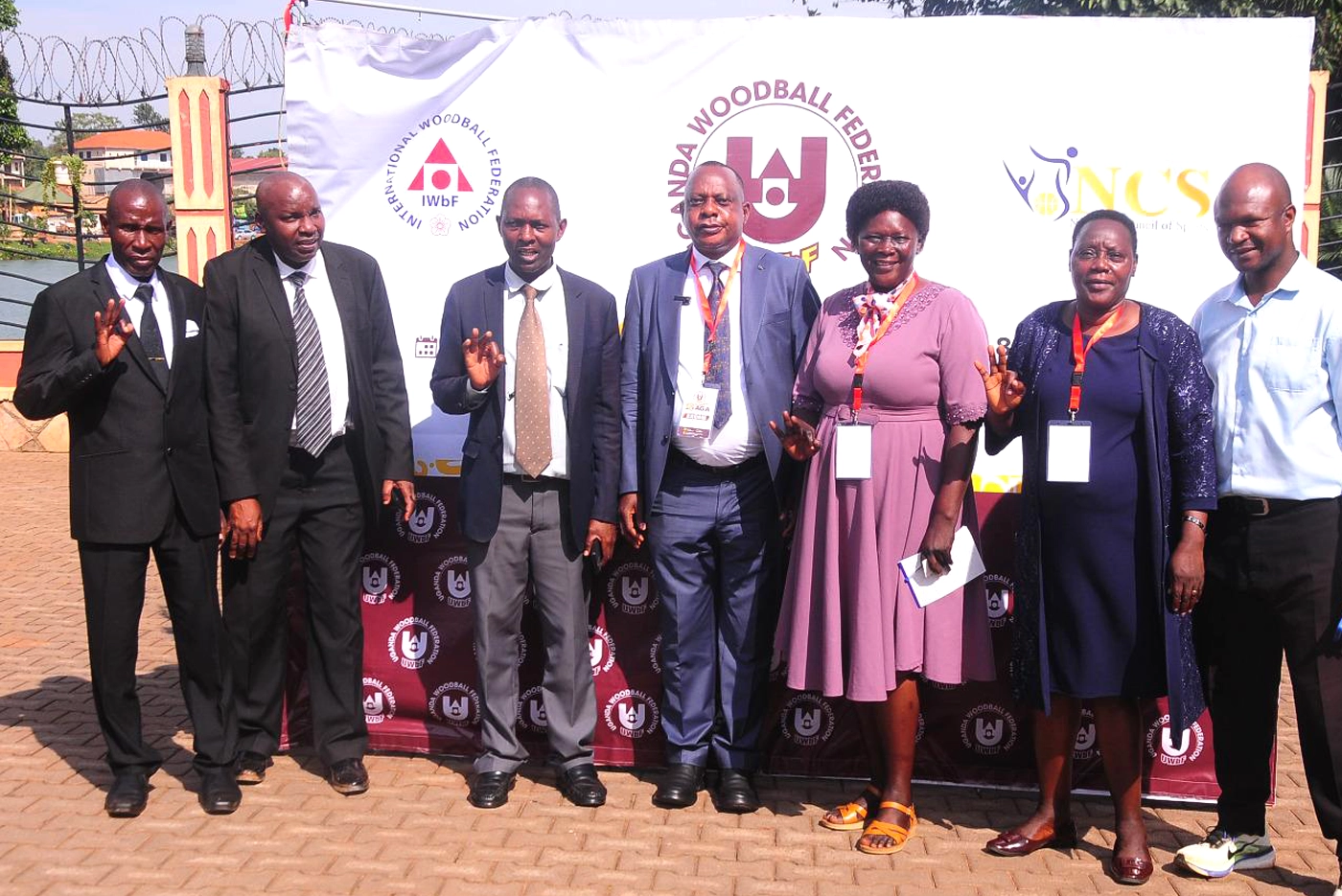

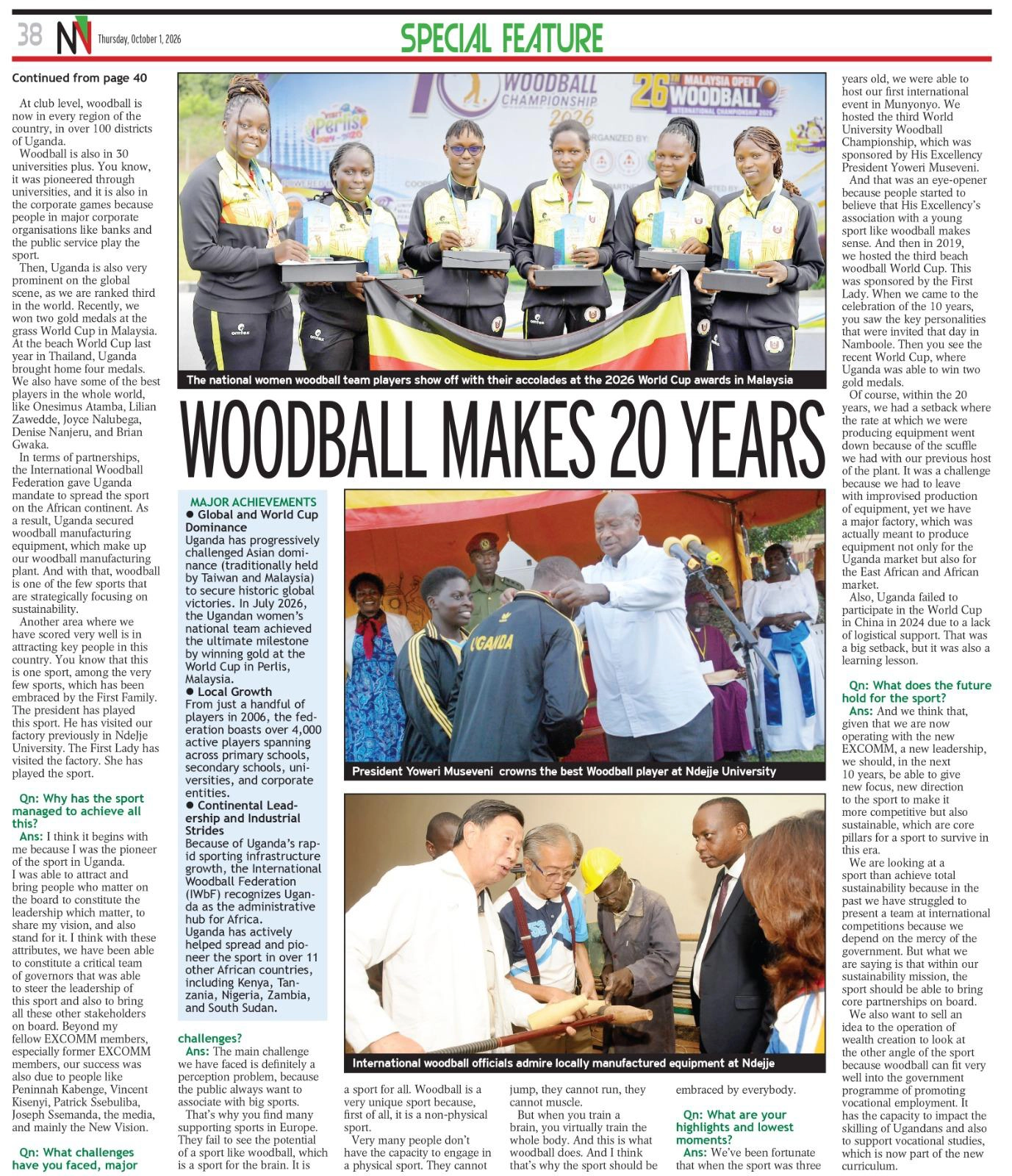

Twenty Years On: Celebrating the People Behind the Sport
As Uganda celebrates 20 years of woodball, the milestone belongs to more than the founding figures and Federation leadership.
It represents the dedication of coaches, sports teachers, school administrators, university managers, club officials, technical personnel, athletes, parents, partners and supporters who have contributed to the sport’s development.
Their commitment has helped transform woodball from an introduction at an international conference into a recognised sporting discipline with a growing national presence.
The contributions of early pioneers, including those who are no longer with us, remain an important part of the Federation’s history and legacy.
The Next Chapter: Consolidating the Achievements
While the 20-year milestone provides an opportunity to celebrate, it also presents the Federation with an opportunity to reflect on the journey ahead.
As Kayongo emphasised, the priority for the coming years should be consolidating the achievements already made.
This means strengthening existing structures, expanding participation, improving the quality of competitions, nurturing young talent and creating more opportunities for Ugandan athletes to excel internationally.
The continued development of woodball will also depend on stronger partnerships, institutional support and the collective commitment of everyone involved in the sport.
Twenty years ago, Paul Mark Kayongo and Peninnah Kabenge returned from Abu Dhabi with an introduction to a new game. Today, that introduction has grown into a national sporting story reaching schools, universities, communities and international arenas.
As Uganda Woodball Federation celebrates two decades, the message is clear: the journey has been remarkable, but the ambition is far from over.
Twenty years of progress. A growing national footprint. One sport, one Federation, and a future full of possibilities.
Happy 20th Anniversary, Uganda Woodball!